Introduction to Leveling Machines
Leveling machines are essential tools in the manufacturing sector, particularly in the machining and fabrication industries. Their primary purpose is to manipulate and adjust the flatness or contour of materials, ensuring that components meet precise specifications required for further processing. This process is crucial, especially when dealing with parts that will undergo subsequent operations like laser cutting and welding. Without proper leveling, the integrity and accuracy of the final products could be compromised.
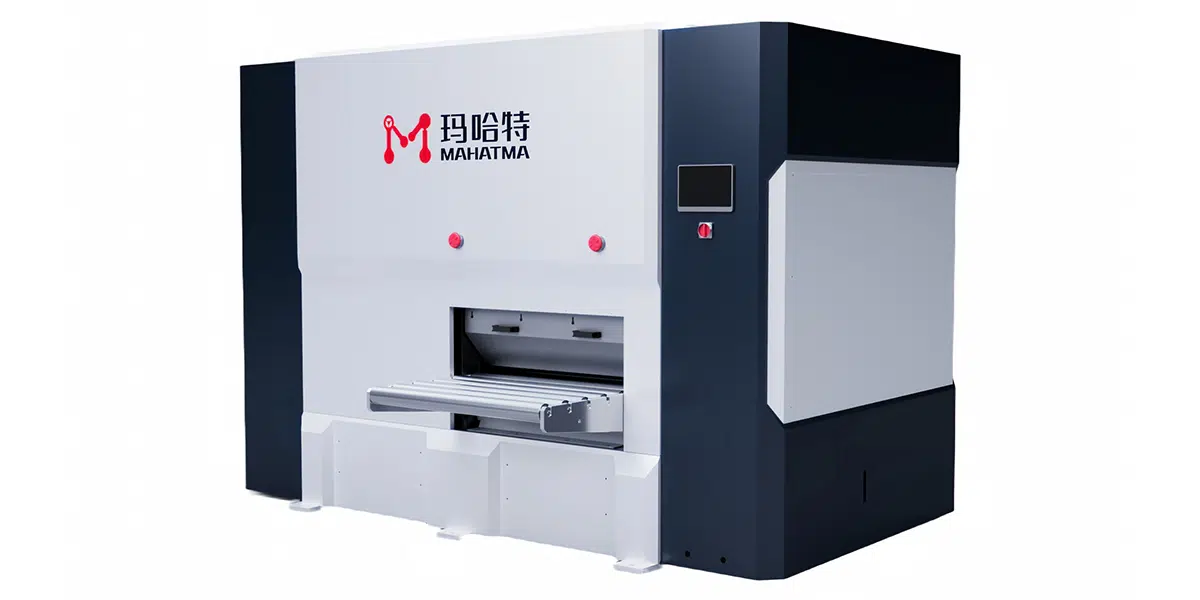
There are various types of leveling machines available, each designed to cater to specific industrial needs. Some common types include mechanical leveling machines and hydraulic leveling machines. Mechanical leveling machines operate through a combination of rollers and plates, allowing for manual adjustments, while hydraulic versions utilize fluid systems to achieve high precision and automated operation. These innovations significantly improve efficiency and reduce labor costs in factories.
In addition to the types mentioned, there are also specialized leveling systems that cater to the unique requirements of particular applications. For instance, certain machines are designed specifically for sheet metal operations, where the precision of the leveling process directly impacts the quality of laser cutting parts or welding parts. The right leveling machine not only enhances productivity but also ensures that the subsequent processes yield the desired quality in the final products.
Overall, leveling machines play an integral role in the workflow of manufacturing. By ensuring that materials are prepped correctly, businesses can maintain quality standards and optimize their operations. Understanding the importance and functionality of leveling machines is crucial for manufacturers aiming to enhance their production capabilities.
Advantages of Implementing Leveling Machines
The integration of a leveling machine within a factory setting offers numerous advantages that can significantly enhance overall operational efficiency and product quality. One of the primary benefits is the improved production efficiency that a leveling machine can deliver. By ensuring that materials undergo a precise leveling process, factories can maintain a consistent workflow. This process minimizes downtime caused by material imperfections, allowing for a smoother operation in welding and laser cutting processes.
Moreover, using leveling machines contributes to enhanced product quality. When parts are levelled accurately, the end products are more likely to meet quality standards and specifications. For instance, in the context of laser cutting parts, precision is crucial; even the slightest anomalies can result in misalignments or uneven cuts. Thus, ensuring that materials are evenly processed before they reach the cutting phase is vital for achieving high-quality outcomes.
Another significant advantage is the reduction of material waste. A leveling machine can reduce scrap by ensuring that only high-quality, levelled materials are utilized in production. This not only saves on raw material costs but also supports more sustainable manufacturing practices. For manufacturers focused on sustainability, minimizing waste is not just a financial concern but also an environmental one.
To further underscore these benefits, studies indicate that incorporating leveling machines can lead to a reduction in processing time by up to 20%, which translates into higher productivity. Additionally, factories that invest in these machines frequently report quality improvement metrics surpassing 30%, helping to bolster their market competitiveness.
In conclusion, the implementation of leveling machines provides significant advantages, including improved production efficiency, enhanced product quality, and reduced material waste. These factors collectively contribute to a more profitable and sustainable manufacturing process.
Factors to Consider When Choosing a Leveling Machine
When selecting a leveling machine for a factory, it is essential to evaluate several critical factors to ensure optimal performance and efficiency in operations. One of the primary considerations should be the machine specifications. These specifications include the type of leveling technology, such as hydraulic or mechanical systems, and their capability to handle various metal types and thicknesses. A leveling machine designed for laser cutting parts may require different specifications compared to those intended for welding parts. Thus, understanding the specific processing needs of the factory is imperative.
Another important factor to consider is the machine’s capacity. This involves determining how much material the machine can process per hour or per day and should align with production requirements. A higher-capacity leveling machine may be necessary if the factory frequently operates at high volumes, while a smaller machine might suffice for lower production rates. Additionally, managers should assess whether the machine has features that enhance throughput and operational efficiency.
The cost of acquiring a leveling machine is also a significant factor. Beyond the initial purchase price, potential buyers should consider installation costs, training for operators, and any additional expenses related to setup or customization. Budget constraints are a common challenge; therefore, it is vital to conduct a cost-benefit analysis to determine the best investment for the factory’s specific needs.
Lastly, maintenance requirements cannot be overlooked. A leveling machine that is difficult to maintain can lead to increased downtime and costs over time. Factory managers should seek machines that offer easier maintenance solutions or have robust service packages included. In conclusion, thoroughly assessing machine specifications, capacity, costs, and maintenance needs will greatly assist factory managers in selecting the most suitable leveling machine for their operations.
Real-World Applications and Success Stories
In recent years, many factories have sought ways to enhance the efficiency of their operations, particularly in industries like metal fabrication, automotive, and aerospace. Among these innovations, the integration of a leveling machine has significantly transformed production processes. Several case studies illustrate the substantial benefits that such machines bring.
One notable example is a fabricating plant that specializes in manufacturing laser cutting parts and welding parts. Before the introduction of a leveling machine, the factory faced numerous challenges, including inconsistencies in material flatness, which led to increased scrap rates and low quality in final products. Workers spent excessive time manually checking and correcting material flatness, which hindered overall productivity.
After implementing a leveling machine, the factory saw remarkable improvements. The automated leveling process ensured that the materials were consistently flat, reducing the need for manual adjustments. This not only decreased labor costs but also minimized the time required for setup in the subsequent production stages. As a result, the plant reported a significant 20% increase in operational efficiency, enabling them to meet customer demands more effectively.
Another compelling case study involves a company that manufactures heavy machinery components. Before adopting a leveling machine, the company struggled with post-welding warping and distortion, which resulted in expensive rework and extended delivery timelines. The introduction of a leveling machine not only increased the accuracy of the welding parts but also streamlined the overall manufacturing process, leading to shorter cycle times and improved product quality.
These success stories illustrate that the integration of a leveling machine can address various operational challenges in factories, enhance productivity, and ultimately lead to substantial cost savings. As industries look toward automation and precision, the benefits of leveling technology will continue to evolve, solidifying its role in modern manufacturing.