Introduction to Leveling Machines
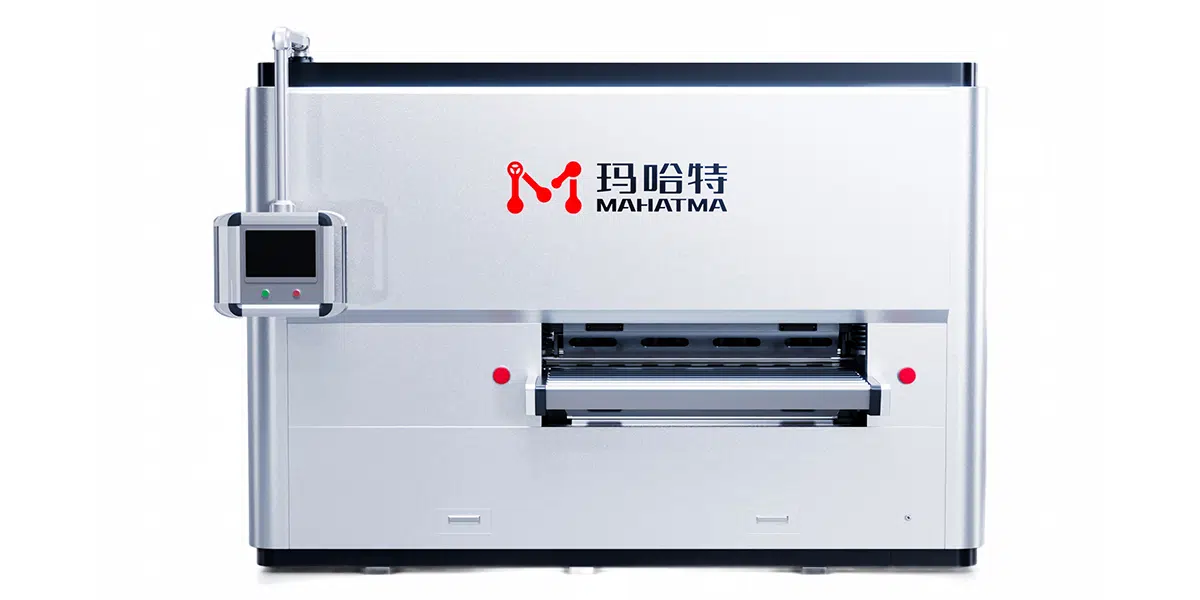
Leveling machines are essential tools in various manufacturing processes, pivotal for transforming raw materials into finished products. They are designed to correct the flatness of metal sheets, which may be distorted due to various factors such as rolling, welding, or cutting. This process is crucial for ensuring that the materials can be used effectively in subsequent operations.
There are several types of leveling machines, each catering to different thicknesses and specifications of metal sheets. Thin-sheet leveling machines are tailored for handling lighter materials, ensuring that even slight imperfections are corrected without inducing additional stress on the sheet. These machines operate with high precision, allowing for minimal material waste and ensuring a high-quality end product.
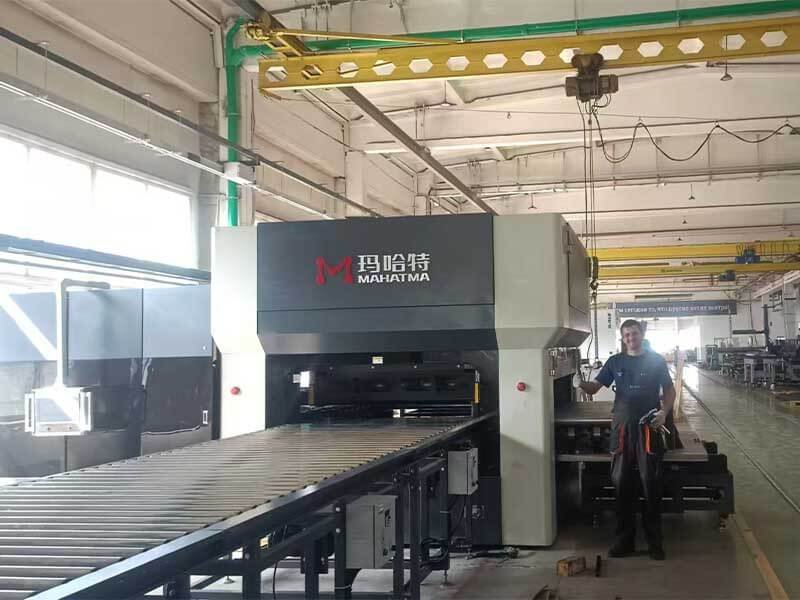
Medium-sheet leveling machines serve a broader range of applications, accommodating sheets that are thicker than those processed by thin-sheet machines. They provide an effective solution for industries requiring a balance between strength and flexibility. The technology used in these machines often includes advanced roll designs and adjustable pressure settings, which contribute to achieving optimal leveling results.
Precision leveling machines are designed for the most demanding applications, often utilizing advanced robotic controls and sophisticated monitoring systems. These machines are integral in industries where the utmost accuracy is paramount, such as aerospace and medical manufacturing. By ensuring that materials are flat and uniform, these machines greatly enhance the overall quality and performance of the products.
In summary, leveling machines play a critical role in manufacturing by enhancing both the quality and efficiency of produced items. Understanding the different types of leveling machines, including thin-sheet, medium-sheet, and precision models, allows industries to select the most suitable equipment for their specific needs, ultimately leading to improved operational outcomes.
Applications of Thin-Sheet Leveling Machines
Thin-sheet leveling machines play a crucial role in various industries, most prominently in automotive, electronics, and metalworking. These machines are specifically designed to enhance the flatness and quality of thin materials, making them indispensable in processes where precision is of utmost importance.
In the automotive industry, thin-sheet leveling machines are typically used to treat materials before they are shaped into components such as body panels and chassis parts. The use of these machines ensures that the sheets maintain a high degree of flatness, which is essential for the effective assembly of vehicles. Furthermore, flat materials allow for better adhesion during painting and coating processes, directly impacting the aesthetic quality and protection of the car.
Electronics manufacturing also benefits significantly from the use of leveling machines. In this sector, components such as circuit boards often utilize thin sheets of metal or flexible printed circuits that require precision leveling. The flatness achieved through leveling not only improves the performance of electronic devices but also enhances their reliability. By reducing warping and other surface determents, thin-sheet leveling machines help in maintaining the integrity of electrical connections, yielding superior product outcomes.
In the metalworking industry, such machines are employed to prepare thin metal sheets for further processing. Whether for stamping, cutting, or welding operations, the application of leveling machines ensures that materials are free from distortions and surface imperfections. This preparation is vital for guaranteeing the quality of the final products, directly influencing productivity and operational efficiency.
Overall, the applications of thin-sheet leveling machines span across various sectors, underscoring their importance in ensuring that thin materials achieve the necessary flatness and surface quality required for both functional and aesthetic applications. These machines not only enhance production efficiency but also contribute to the longevity and performance of finished products, making them essential tools in modern manufacturing processes.
Medium-Sheet Leveling Machines: Key Utilizations
Medium-sheet leveling machines play a significant role in various industrial sectors by ensuring that materials meet strict specifications for flatness and surface quality. These machines are particularly valuable when working with medium-thickness materials, which are common in industries such as construction, aerospace, and the manufacturing of home appliances.
In the construction industry, medium-sheet leveling machines are essential for processing materials like steel sheets used in structural applications. By precisely flattening these sheets, the machines enhance the quality of construction components, ensuring that they fit together seamlessly and provide the necessary structural integrity. This precision not only benefits the construction process but also helps in minimizing waste, as accurately leveled sheets require less rework.
Aerospace is another industry that significantly benefits from medium-sheet leveling machines. Aircraft components often require stringent control over dimensions and surface quality due to safety and performance requirements. Leveling machines are utilized to flatten and condition materials used in airframes and engine components, thereby ensuring optimal performance and durability. The ability to achieve precise flatness directly impacts the aerodynamics and weight of the aircraft, contributing to overall efficiency and safety.
In the manufacturing of appliances, medium-sheet leveling machines are critical in ensuring that parts such as refrigerator panels, washing machine casings, and other flat components have a flawless surface. A smooth, flat surface is crucial for aesthetic appeal and functional performance, such as proper fitting and sealing of appliance parts. These machines facilitate high-volume production while maintaining strict quality standards across various appliance components.
Overall, medium-sheet leveling machines are indispensable tools across multiple industries. Their ability to achieve precise flatness and surface conditions ensures that materials can meet the demanding standards of construction, aerospace, and appliance manufacturing. The utilization of these machines not only improves product quality but also enhances manufacturing efficiency, making them a vital asset in modern industrial applications.
Precision Leveling Machines and Their Impact
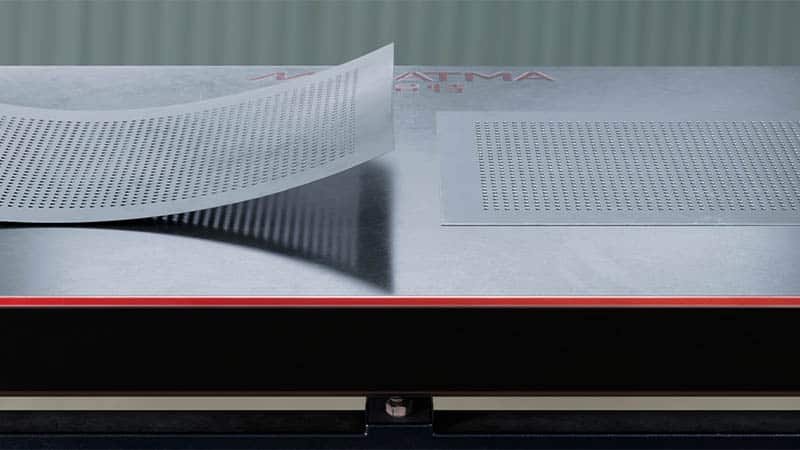
Precision leveling machines are critical components in various high-tech industries, notably aerospace, medical devices, and high-end manufacturing. These industries demand the highest level of accuracy for their products, given that any deviation in specifications can lead to catastrophic failures or significant financial losses. Consequently, precision leveling machines play an essential role in ensuring that surfaces are properly aligned and defects are minimized.
In the aerospace sector, for example, precision leveling machines are employed to manufacture parts that must adhere to stringent safety regulations and performance standards. These machines assist in machining aircraft components, ensuring that every part meets required tolerances and thereby increasing the overall safety and reliability of the aircraft. The level of detail achieved through precision leveling directly correlates with the efficiency of the final assembly and the functionality of aircraft systems.
Similarly, in the medical device industry, the reliance on precision is paramount. Devices such as surgical instruments and diagnostic tools must meet extremely high standards of accuracy, as even minor inaccuracies can affect patient outcomes. Precision leveling machines allow manufacturers to create devices that comply with international standards and regulations, often employing advanced features such as laser systems to guide the leveling process with exceptional accuracy and repeatability.
High-end manufacturing, encompassing both electronics and precision tooling, also significantly benefits from the use of precision leveling machines. These machines enable manufacturers to achieve a consistently high standard of product quality, which is crucial for maintaining competitiveness in a global marketplace. Features such as automated calibration and real-time monitoring ensure that the leveling process remains accurate, thus safeguarding product integrity.
The advanced technology integrated into precision leveling machines facilitates superior quality control across these industries. The ability to consistently produce high-quality components is essential for maintaining operational efficiency and customer satisfaction, underscoring the profound impact of precision leveling machines in contemporary manufacturing and assembly processes.