Introduction to Plate Leveling Machines
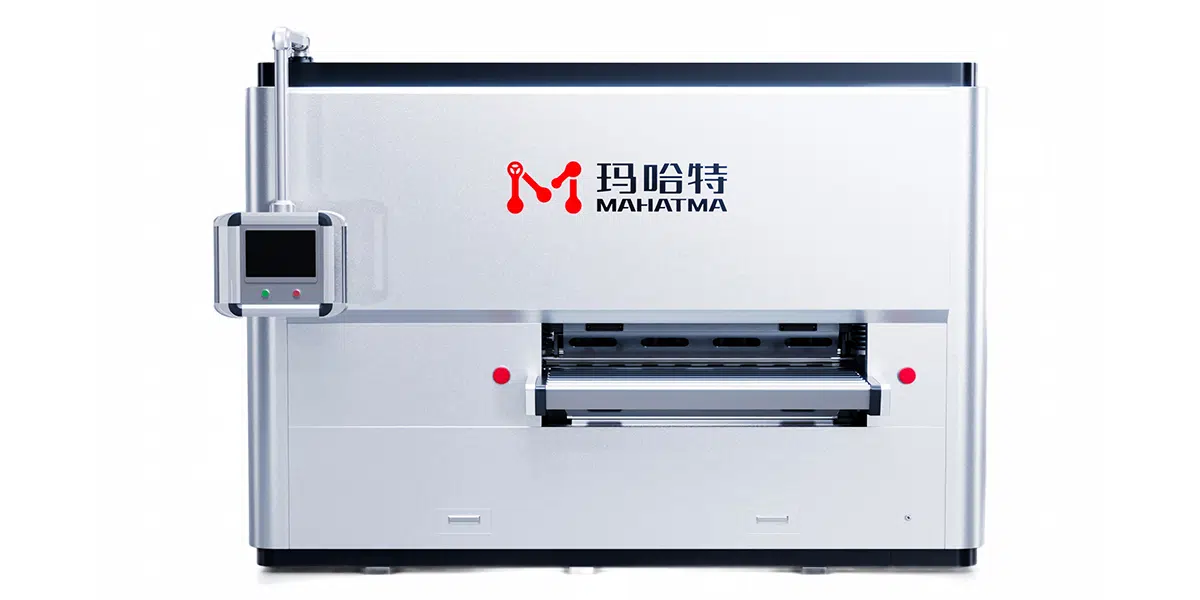
Plate leveling machines are essential apparatus in the manufacturing sector, specifically designed to flatten heavy plate materials and sheet metal. These machines play a critical role in ensuring that materials are perfectly level, thereby preparing them for further processing or fabrication. The importance of accurate leveling cannot be understated as it directly influences the quality and precision of the final products.
Generally, plate leveling machines operate by using a series of rollers to exert pressure on the material. This system works to remove any deformations or warps that may have occurred during previous operations such as cutting or welding. As the plates or sheets pass through the rollers, they are transformed from a distorted shape into a perfectly flat condition, which is vital for subsequent machining operations.
The applications of plate leveling machines span a wide range of industries. In the construction sector, they are predominantly used for preparing heavy plates for structural applications. Additionally, in the automotive industry, these machines are employed to ensure that sheet metal is flat before it is stamped or formed into various automobile parts. Beyond these sectors, plate leveling machines are also integral in manufacturing equipment for shipbuilding, aerospace, and many other fields where precision is essential.
Advanced models of plate leveling machines incorporate various technologies, such as automated controls and sensors, that enhance their functionality and efficiency. These innovations not only improve the leveling accuracy but also optimize the overall production process, allowing manufacturers to meet the increasing demands for precision-engineered components in today’s competitive market.
Types of Plate Leveling Machines
Plate leveling machines are essential tools in various manufacturing processes, designed to correct inconsistencies in the flatness of plates or sheets, thereby ensuring high quality in the final products. Among the different types of plate leveling machines available in the market, three prominent categories include sheet metal leveling machines, precision leveling machines, and heavy plate levelers.
Sheet metal leveling machines are specifically engineered for processing thinner materials. These machines utilize a series of rollers that apply consistent pressure to the sheet metal, adjusting its flatness without compromising its structural integrity. They are commonly employed in industries where high-volume production of sheet metal parts is required, such as in the automotive and appliance manufacturing sectors. The compact design of these machines allows them to fit easily into production lines, increasing efficiency in operations.
Precision leveling machines, on the other hand, are tailored for applications where extreme flatness is of utmost importance. These machines are equipped with advanced technology that allows for fine adjustments and precise leveling of materials. Typically found in aerospace, electronics, and various high-tech industries, precision leveling machines ensure that even the slightest deviation from flatness is corrected. Their versatility enables them to handle a range of materials, including delicate components that require careful processing.
Lastly, heavy plate levelers are built to tackle large and thick materials, often used in construction and industrial applications. These robust machines are capable of handling exceptionally heavy plates while delivering consistent results. Heavy plate levelers feature strong rollers and supports designed to withstand the force required to straighten thick metal sheets. Their design also often includes advanced hydraulic systems that facilitate seamless operation under substantial loads.
Ultimately, the choice of a plate leveling machine is dictated by the specific requirements of the material being processed and the intended application. Understanding the differences between these machines can greatly assist manufacturers in selecting the appropriate equipment for their needs, optimizing production efficiency and quality.
The Importance of Precision in Leveling
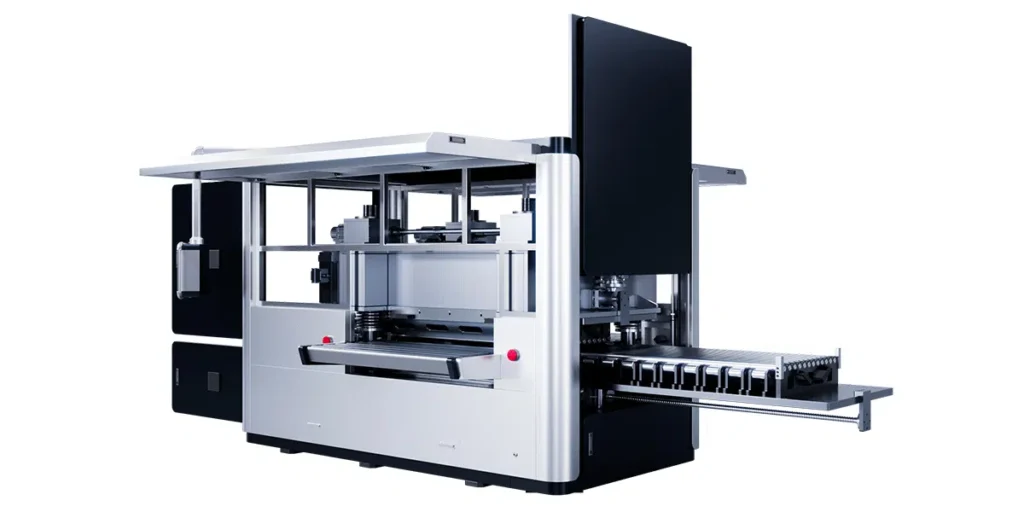
In industrial applications, particularly in the context of heavy and sheet metals, precision in leveling processes cannot be overstated. The leveling of metallic sheets and structural components is crucial for achieving optimal performance in fabrication and final product quality. Any inaccuracies during this process can lead to significant issues in subsequent manufacturing stages, potentially affecting the entire production cycle.
When metal sheets are not accurately leveled, they can exhibit warping, uneven edges, and surface imperfections. These defects not only compromise the aesthetic quality of the end product but can also affect its structural integrity. For instance, inaccuracies can cause stress concentrations in components, leading to premature failure during use. This is particularly critical in sectors such as aerospace, automotive, and construction, where material performance is non-negotiable.
Moreover, precision in leveling influences the efficiency of downstream operations. When metals are not adequately leveled, additional processes such as cutting, welding, or painting may require more time, effort, and resources to compensate for the initial inaccuracies. This increases production costs and prolongs lead times, which can be detrimental in today’s fast-paced manufacturing environment.
Investing in high-quality leveling machinery is essential for manufacturers who wish to maintain a competitive edge. Advanced leveling machines designed for precision provide the consistent and repeatable results required in high-stakes environments. They ensure that sheet metals and heavy components are processed correctly, minimizing defects and maximizing overall product quality. In conclusion, the critical nature of precision within the leveling process underscores the importance of utilizing state-of-the-art machinery to ensure that both quality and efficiency are maintained throughout the manufacturing process.
Future Trends in Plate Leveling Technology
The field of plate leveling technology is witnessing significant advancements driven by innovations in automation and enhanced machining capabilities. Emerging trends indicate a shift toward more precise and efficient machinery, which is essential for meeting the evolving demands of the manufacturing industry. Among these trends, the integration of smart technology stands out, enabling machinery to communicate, adapt, and optimize their functions in real-time.
One notable advancement is the increasing use of artificial intelligence (AI) and machine learning in plate leveling systems. These technologies facilitate the continuous analysis of operational data, allowing machines to anticipate and adjust to variations in material properties, thus significantly enhancing the accuracy of the leveling process. As a result, manufacturers can achieve a higher level of precision while minimizing waste and improving overall productivity.
Another significant trend is the rise of fully automated plate leveling machines. Automation streamlines the production process, reducing labor costs and increasing throughput. Machines equipped with advanced sensors and controls can perform leveling operations autonomously, resulting in consistent product quality and reduced downtime. The ability to integrate these machines into larger automated manufacturing lines signifies a promising future where efficiency and speed are paramount.
Moreover, the emphasis on sustainability in manufacturing has led to the development of eco-friendly plate leveling machines. Companies are increasingly focusing on creating machines that lower energy consumption and utilize recyclable materials without compromising performance. Such advancements not only contribute to environmental protection but also align with global manufacturing trends aimed at sustainable practices.
In conclusion, the future of plate leveling technology appears optimistic, with continuous innovations paving the way for greater efficiency, precision, and sustainability. As this sector evolves, manufacturers who leverage these emerging trends will likely position themselves favorably within the competitive landscape of the manufacturing industry.