In the metal fabrication industry, maintaining flat and distortion-free metal plates is essential for achieving high-quality finished products. During processes such as cutting, welding, stamping, and transportation, metal sheets often develop bends, waves, and residual stresses that can affect product performance and dimensional accuracy.
To address these challenges, manufacturers increasingly rely on Steel Plate Leveling Machines, Hydraulic Plate Straighteners, and Sheet Metal Straightening Equipment. These advanced machines help restore flatness, improve production efficiency, and ensure consistent product quality.
What Is a Steel Plate Leveling Machine?
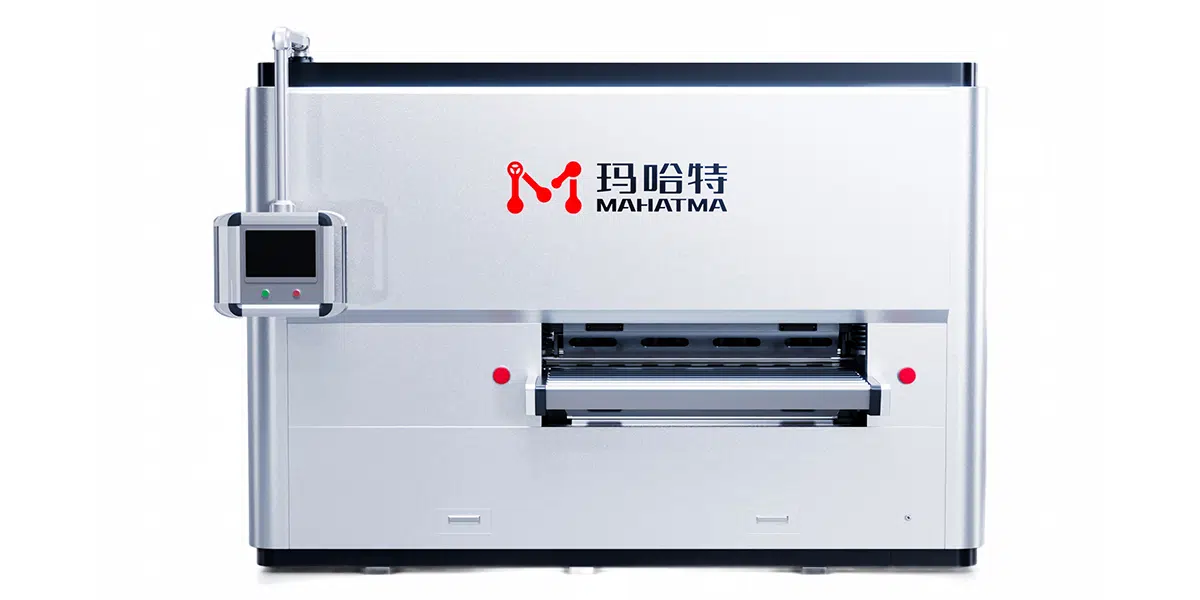
A Steel Plate Leveling Machine is designed to eliminate deformation and internal stress from metal plates by passing them through a series of leveling rollers. The repeated bending and straightening process restores the plate to a flat and uniform condition.
Key Features of Steel Plate Leveling Machines
- High-precision plate leveling
- Suitable for carbon steel, stainless steel, aluminum, and other metals
- Automated operation for increased productivity
- Effective removal of residual stress
- Improved dimensional accuracy for downstream processes
Applications
Steel plate leveling machines are widely used in:
- Steel structure fabrication
- Shipbuilding industry
- Automotive manufacturing
- Home appliance production
- Construction machinery manufacturing
- Metal service centers
As manufacturing standards continue to rise, precision leveling machines have become essential equipment for ensuring high-quality production.
Advantages of Hydraulic Plate Straighteners
A Hydraulic Plate Straightener uses hydraulic force to correct deformations in metal plates and structural components. Compared to traditional mechanical straightening equipment, hydraulic systems provide greater power, improved control, and enhanced versatility.
1. Powerful Straightening Capability
Hydraulic systems generate substantial and stable pressure, making them ideal for thick plates and high-strength materials.
2. Precise Control
Modern hydraulic straighteners are equipped with advanced control systems that allow operators to accurately adjust pressure and stroke length, ensuring consistent straightening results.
3. Wide Range of Applications
Hydraulic plate straighteners can effectively handle:
- Thick steel plates
- Stainless steel sheets
- High-strength alloy materials
- Large welded structures
4. Reduced Labor Costs
Automation minimizes manual intervention, reduces operator fatigue, and increases production efficiency.
Common Industries Using Hydraulic Straighteners
- Wind tower manufacturing
- Bridge construction
- Heavy machinery production
- Railway equipment manufacturing
- Offshore engineering projects
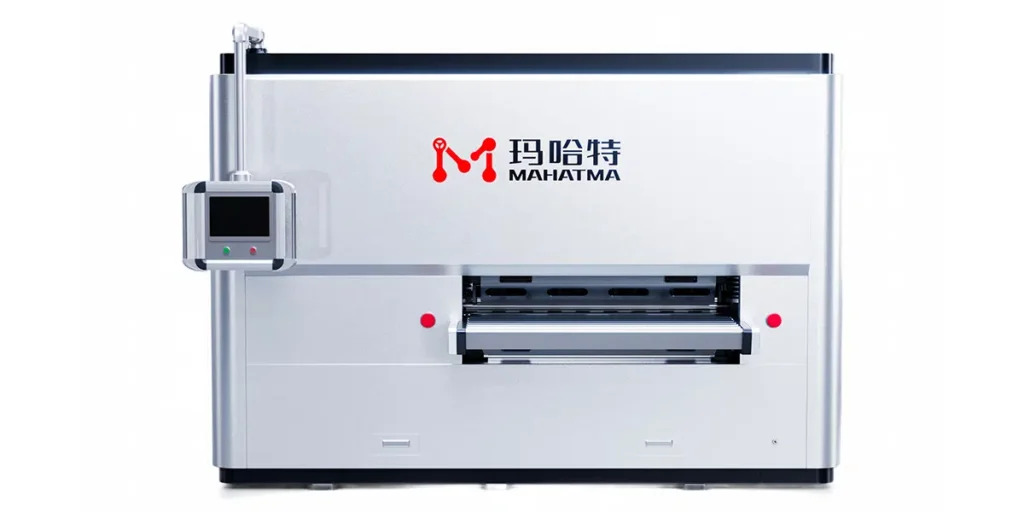
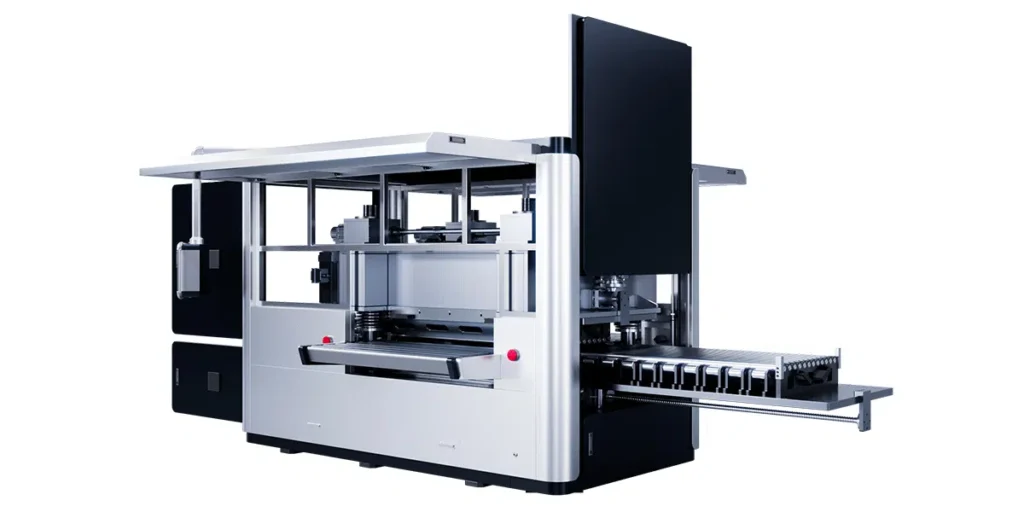
The Importance of Sheet Metal Straightening Equipment
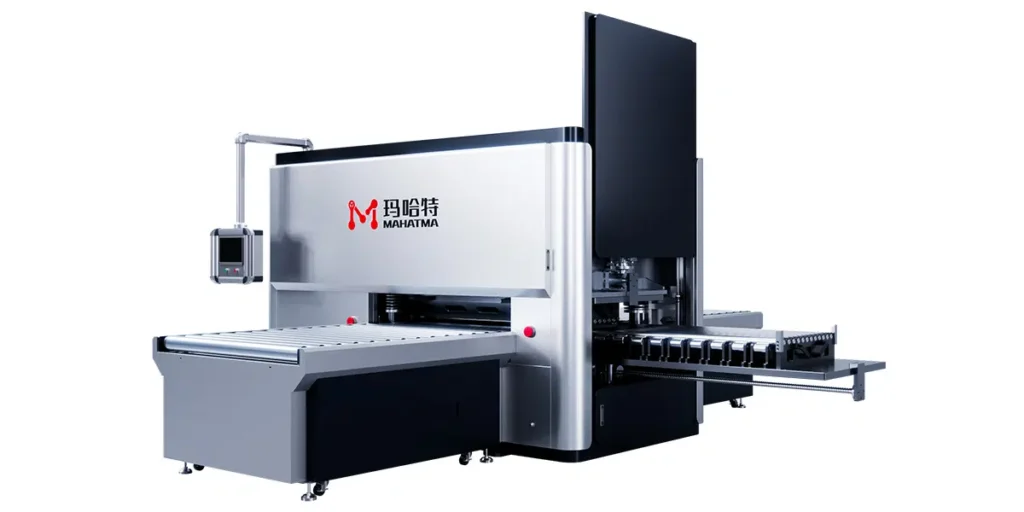
Sheet Metal Straightening Equipment is specifically designed for thinner metal sheets that have been distorted during cutting, punching, bending, or welding operations.
With the rapid growth of precision manufacturing, sheet metal straightening systems have become indispensable for achieving superior product quality.
Main Functions
- Removing edge waves
- Correcting sheet warping
- Improving surface flatness
- Enhancing bending accuracy
- Ensuring better welding performance
Suitable Materials
These machines can process various materials, including:
- Cold-rolled steel
- Hot-rolled steel
- Stainless steel
- Aluminum sheets
- Copper sheets
- Galvanized steel
Benefits
- Increased production efficiency
- Automatic feeding systems
- Stable and reliable performance
- Reduced material waste
- Consistent product quality
How to Choose the Right Straightening Equipment
Selecting the appropriate equipment depends on several factors:
Material Thickness
Different machines are suitable for different thickness ranges:
- Thin sheets: Sheet Metal Straightening Equipment
- Medium-thickness plates: Steel Plate Leveling Machines
- Thick or high-strength plates: Hydraulic Plate Straighteners
Accuracy Requirements
Industries such as automotive, aerospace, and precision engineering often require high-precision leveling and straightening solutions.
Automation Level
Fully automated systems improve productivity, reduce human error, and ensure consistent production quality.
Production Capacity
Manufacturers should choose equipment that matches their production volume to maximize efficiency and return on investment.
Future Trends in Plate Leveling and Straightening Technology
As Industry 4.0 and smart manufacturing continue to evolve, plate leveling and straightening equipment is becoming more intelligent and data-driven.
Future developments are expected to include:
- Intelligent parameter adjustment
- Automatic deformation detection
- Real-time production monitoring
- Remote diagnostics and maintenance
- AI-assisted leveling and straightening control
These innovations will help manufacturers achieve greater precision, efficiency, and cost savings.
Conclusion
Whether it is a Steel Plate Leveling Machine, a Hydraulic Plate Straightener, or Sheet Metal Straightening Equipment, each plays a critical role in modern metal fabrication. By investing in the right straightening solution, manufacturers can improve product quality, increase operational efficiency, reduce production costs, and strengthen their competitive advantage.
As quality standards continue to rise across industries, advanced metal straightening and leveling equipment will remain a key component of successful manufacturing operations.
FAQ: Steel Plate Leveling Machine, Hydraulic Plate Straightener & Sheet Metal Straightening Equipment
1. What is a Steel Plate Leveling Machine?
A Steel Plate Leveling Machine is a machine designed to remove deformation, residual stress, and unevenness from metal plates by passing them through a series of leveling rollers. It ensures that the material achieves a high degree of flatness before further processing.
2. What materials can be processed with a Steel Plate Leveling Machine?
Most leveling machines can process a variety of metal materials, including:
- Carbon steel
- Stainless steel
- Aluminum
- Copper
- Galvanized steel
- High-strength alloy steel
3. What is the difference between a Steel Plate Leveling Machine and a Hydraulic Plate Straightener?
A Steel Plate Leveling Machine primarily uses multiple rollers to level sheet and plate materials continuously, while a Hydraulic Plate Straightener uses hydraulic force to correct severe bends, distortions, or deformation in thicker plates and structural components.
4. When should I choose a Hydraulic Plate Straightener?
A Hydraulic Plate Straightener is recommended when processing:
- Thick steel plates
- High-strength metal materials
- Heavy welded structures
- Large industrial components
- Wind tower and bridge fabrication parts
5. What are the main benefits of sheet metal straightening equipment?
Sheet Metal Straightening Equipment offers several advantages, including:
- Improved flatness and accuracy
- Reduced material waste
- Better welding quality
- Enhanced bending precision
- Increased production efficiency
- Consistent finished product quality
6. Can straightening equipment remove residual stress from metal sheets?
Yes. Advanced leveling and straightening machines can significantly reduce internal residual stress by repeatedly bending and correcting the material. This helps prevent future distortion during cutting, welding, and machining processes.
7. What thickness range can a plate leveling machine handle?
The thickness range depends on the machine model. Standard machines may process thin sheets from 0.3 mm, while heavy-duty plate leveling machines can handle plates exceeding 50 mm in thickness.
8. Is automation available for modern straightening machines?
Yes. Most modern machines feature:
- PLCS control systems
- Touchscreen interfaces
- Automatic gap adjustment
- Real-time monitoring
- Servo-driven positioning
- Intelligent leveling programs
These functions improve efficiency and reduce operator intervention.
9. Which industries commonly use plate leveling and straightening equipment?
These machines are widely used in:
- Metal fabrication
- Automotive manufacturing
- Shipbuilding
- Aerospace engineering
- Construction equipment production
- Steel service centers
- Energy and wind power industries
10. How can I select the right straightening machine for my business?
When choosing a machine, consider:
- Material type
- Material thickness
- Required flatness tolerance
- Production volume
- Automation requirements
- Future expansion plans
A professional supplier can help recommend the most suitable solution based on your production needs.
11. How often should a leveling machine be maintained?
Routine maintenance typically includes:
- Roller inspection and cleaning
- Hydraulic system checks
- Lubrication of moving components
- Electrical system inspection
- Calibration verification
Regular maintenance helps extend machine lifespan and maintain leveling accuracy.
12. Can customized leveling and straightening solutions be provided?
Yes. Many manufacturers offer customized solutions based on material specifications, plate dimensions, production capacity, and industry-specific requirements to meet unique production challenges.
Quick Summary
| Equipment | Main Function | Best For |
|---|---|---|
| Steel Plate Leveling Machine | Continuous plate flattening and stress relief | Medium and large metal plates |
| Hydraulic Plate Straightener | Heavy-duty deformation correction | Thick plates and welded structures |
| Sheet Metal Straightening Equipment | Precision flattening of thin sheets | Sheet metal fabrication and precision manufacturing |
Looking for a reliable steel plate leveling machine, hydraulic plate straightener, or sheet metal straightening equipment? Contact our team today to find the ideal solution for your metal processing needs.