Introduction to Leveling Machines
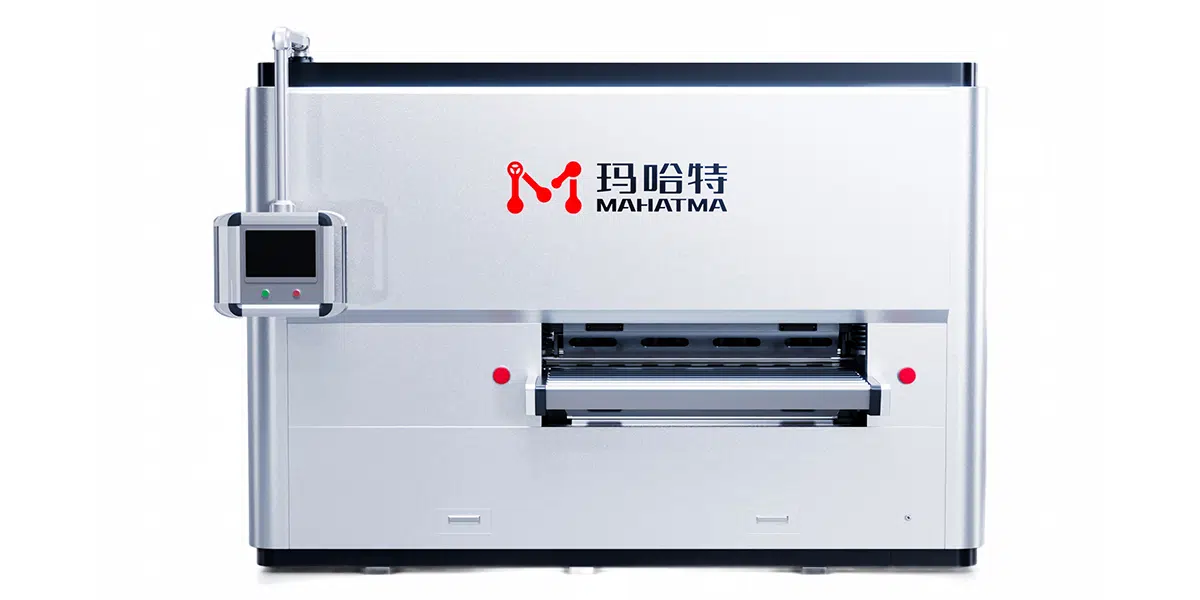
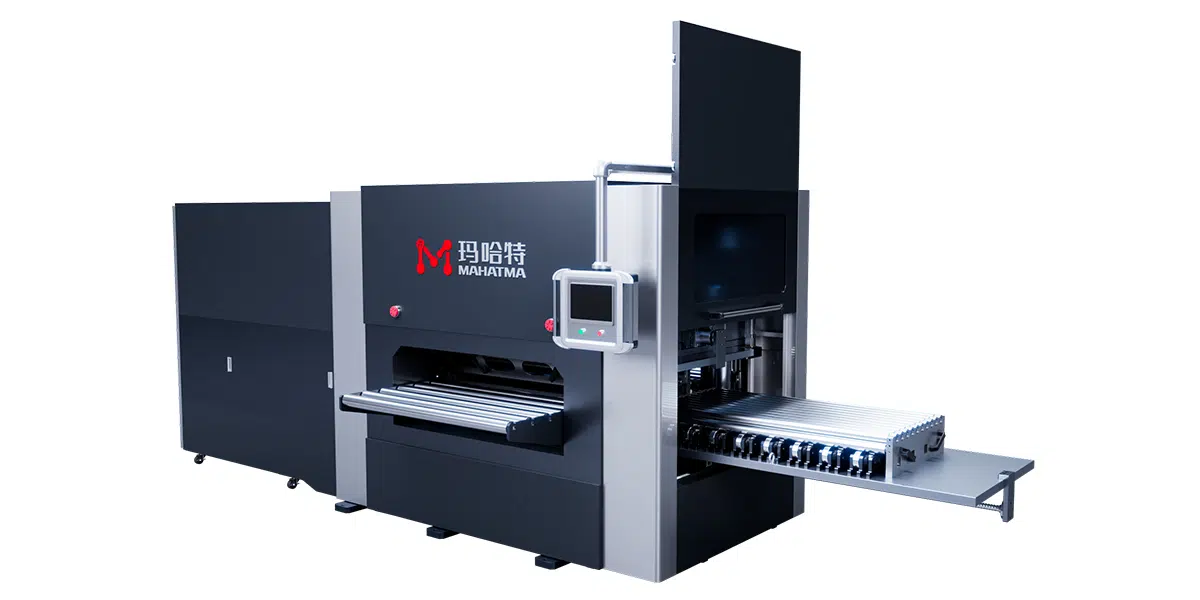
Leveling machines are specialized industrial devices that play a crucial role in the processing of sheet metal. These machines are designed to eliminate any deformities caused during manufacturing processes, such as stamping or shearing, which can lead to warped surfaces. The primary function of leveling machines is to ensure that materials, particularly sheet metal, achieve a perfectly flat surface, which is essential for various downstream applications, including laser cutting parts and press parts.
The significance of leveling machines extends beyond merely achieving flatness; they are integral to maintaining tight tolerances and enhancing the overall quality of finished products. Industries that rely on high-precision components, such as automotive, aerospace, and electronics, benefit immensely from the capabilities of leveling machines. By providing a consistent and uniform surface, these machines ensure that other processes, such as welding and machining, proceed smoothly and without complications.
Furthermore, leveling machines contribute significantly to manufacturing efficiency. By reducing the likelihood of errors in subsequent processing steps, they help minimize waste and rework, thereby improving overall productivity. Their ability to prepare sheet metal for other complex fabrications, such as those seen in press parts, means that these machines are a critical component of the modern manufacturing landscape.
In summary, the introduction of leveling machines into production processes is vital for achieving the high-quality standards required in today’s competitive industries. As manufacturers continue to seek advancements in technology and efficiency, the emphasis on leveling machines only grows, affirming their place as essential tools in metalworking practices.
Manufacturing Industry
The manufacturing industry plays a pivotal role in the utilization of leveling machines, particularly within the domain of metalworking and processing. These machines are integral to multiple stages of the production line, specifically when dealing with materials such as sheet metal. Their main function is to ensure that metal surfaces are adequately leveled, thus eliminating any warp or distortion that can occur during various processes, including welding, cutting, or pressing.
In the context of producing components such as laser cutting parts and press parts, the correctness of the material’s profile is crucial. Leveling machines provide the necessary corrective measures to achieve a flat and even surface, which significantly enhances the overall quality of the manufactured parts. Consistency in the flatness of sheet metal, for example, reduces the risk of errors during subsequent fabrication processes, leading to higher precision in the final products and minimizing waste.
The impact of leveling machines on product quality in the manufacturing sector cannot be overstated. When metal sheets are correctly prepared through leveling, it ensures compatibility during the assembly of different parts. This is particularly important for industries that require intricate precision engineering, as even minor defects in material leveling can result in significant operational inefficiencies or failures in end-use applications. Therefore, investing in robust leveling machinery is crucial for manufacturers seeking to maintain high standards of quality and efficiency.
Furthermore, modern advancements in leveling technology continue to evolve, incorporating features that enhance precision and reduce production times. Manufacturers are increasingly leveraging these innovations to streamline their operations and deliver superior products to market. The necessity of leveling machines in the manufacturing industry thus remains indispensable, as they contribute significantly to the precision and quality control that are vital for competitive production environments.
Construction Sector
Leveling machines play a critical role in the construction sector, where precision and accuracy are paramount for the successful execution of any building project. These machines are essential for preparing sites and foundations, ensuring that the ground surface is even and stable before construction begins. A level and stable foundation is vital to support the weight of structures and to prevent future issues such as uneven settling.
One of the primary applications of leveling machines in construction is in site preparation. This includes the initial grading of land, which involves removing debris and leveling out the soil to create a suitable surface for various types of construction. Utilizing a laser cutting part in combination with leveling equipment allows for enhanced precision in grading, crucial in projects where slight elevations can impact drainage and structural integrity.
Another significant use of leveling machines is in foundation work. For instance, the installation of concrete slabs often requires precise leveling to ensure a smooth surface for subsequent layers. Machines such as motor graders and laser-guided screeds are widely used in this context. These pieces of equipment provide accurate leveling that can be adjusted in real-time, ensuring the foundation meets the necessary specifications.
Additionally, leveling machines are essential when preparing surfaces for press parts and other structural components. They help create a uniform environment where materials can be fabricated and assembled with high accuracy. Overall, the integration of advanced leveling technology, including hydraulic and mechanical devices, facilitates the efficient and effective completion of construction projects.
In conclusion, the construction sector relies heavily on leveling machines to ensure that sites are adequately prepared and foundations are stable. The use of specialized equipment not only improves the efficiency of the construction process but also enhances the quality of the final product, showcasing the importance of these machines in modern construction practices.
Automotive Industry
In the automotive industry, leveling machines play a crucial role in ensuring precision and quality in the production of various components. These machines are predominantly employed for sheet metal processing, which is vital for the construction of vehicle bodywork and frame adjustments. The accuracy that leveling machines provide is indispensable when working with materials such as laser cutting parts and press parts, enabling manufacturers to achieve the desired geometrical precision.
The bodywork of vehicles often consists of complex curves and angles that require meticulous shaping and alignment. Leveling machines ensure that the sheet metal is uniformly processed, thus allowing for seamless assembly and integration of different panels. By eliminating any warping or inaccuracies in the metal sheets, these machines contribute significantly to the structural integrity of the vehicle. This is especially important in meeting safety standards and requirements.
Quality control is another area where leveling machines are essential. During the manufacturing process, components undergo rigorous inspections to ascertain their compliance with specific tolerances. The utilization of leveling machines not only enhances the efficiency of these inspections but also reduces the likelihood of errors that could lead to costly recalls or issues in the final product. An effective quality control system leverages the capabilities of leveling machines to ensure that every part meets stringent automotive standards.
Moreover, in the assembly process, precise fitting of parts is vital. Leveling machines aid in preparing laser cutting parts and press parts to the exact specifications needed for assembly. By streamlining this process, manufacturers can enhance productivity while maintaining the high-quality standards expected in the automotive sector. The integration of leveling machines into production lines demonstrates their impressive contributions, underscoring their importance in the contemporary automotive industry.
HVAC and Mechanical Services
Leveling machines play a critical role in HVAC (Heating, Ventilation, and Air Conditioning) and mechanical services, where precision is paramount for installation and maintenance. In these industries, the appropriate alignment of equipment ensures optimal performance and enhances product longevity. The use of leveling machines allows technicians to achieve accurate angles and alignments for various components, such as ducts, vents, and other mechanical systems.
In HVAC applications, proper leveling is essential to prevent operational issues that may arise from improperly installed units. For instance, air conditioning units must be installed at specific inclinations to ensure efficient drainage and airflow. Leveling machines assist technicians in verifying that these units are set correctly, thus facilitating optimal air distribution and energy efficiency. Furthermore, accurate leveling reduces the likelihood of unexpected breakdowns, which can lead to costly repairs and downtime.
Moreover, in mechanical services, leveling machines are utilized for aligning press parts and ensuring that the laser cutting part components are assembled correctly. The precision provided by these machines is indispensable when dealing with heavy machinery, where even the slightest misalignment can lead to significant operational inefficiencies. Through the employment of leveling machines, services can guarantee that parts are oriented as per specifications, allowing for seamless integration within larger mechanical systems.
Beyond installation, leveling machines offer considerable advantages during maintenance procedures. Regular checks can be conducted to ensure that equipment remains at the required angles, which assists in maintaining performance standards over time. This ongoing monitoring safeguards against degradation, thereby prolonging the lifespan of HVAC units and other machinery.
In conclusion, the application of leveling machines in HVAC and mechanical services not only enhances installation precision but also supports ongoing operational effectiveness. Their integration within these industries ensures that equipment is consistently placed at the optimal angles, leading to better performance and fewer complications.
Aerospace Industry
The aerospace industry is known for its precision engineering and rigorous safety standards, making the application of leveling machines essential in various processes, including aircraft assembly and maintenance. Leveling machines play a critical role in ensuring that components, such as sheet metal parts and laser cutting parts, meet stringent specifications required for safe and efficient aircraft operation.
In aircraft assembly, leveling machines are utilized to flatten and align sheet metal components, which are often used to construct various parts of an aircraft structure, including wings, fuselage sections, and control surfaces. These machines apply a series of controlled forces to ensure that the sheet metal achieves a uniform, flat surface without distortions. This process significantly contributes to the integrity and overall performance of the aircraft, as warped or uneven surfaces can lead to structural weaknesses and safety hazards.
Moreover, the maintenance of aircraft also necessitates the use of leveling machines. During overhaul or repair operations, it is crucial to maintain the aircraft’s structural integrity by ensuring that all press parts and other components are perfectly aligned. Any misalignment can compromise not only the efficiency but also the safety of the aircraft. By integrating advanced leveling technology, maintenance teams can ensure that any repairs made meet the aerospace industry’s strict quality assurance protocols.
The aerospace sector’s reliance on leveling machines exemplifies the importance of these tools in maintaining high-quality standards. By investing in advanced leveling technology, companies can ensure compliance with industry regulations while enhancing the overall performance and safety of their products. Consequently, leveling machines not only contribute to operational efficiency but also play a vital role in upholding the rigorous safety protocols that characterize the aerospace industry.
Electronics Manufacturing
The electronics manufacturing industry heavily relies on precision and quality, especially when it comes to producing circuit boards and components. Leveling machines play a pivotal role in this sector, ensuring that the sheet metal used in electronic devices is flat and meets strict specifications. As electronic components become smaller and more complex, the need for accuracy in the leveling process becomes increasingly important.
In the production of circuit boards, for example, the thickness and flatness of the sheet metal are crucial factors that can impact the performance and reliability of the final product. Any deviation from the required dimensions can lead to defects in the board, which may result in circuit failure. Therefore, leveling machines are employed to achieve the precise tolerances needed to produce high-quality press parts and other electronic components.
The integration of leveling machines in electronics manufacturing not only enhances the quality of the sheet metal but also streamlines the production process. By utilizing advanced technologies, these machines provide consistent results, minimizing the risk of human error and reducing production time. This efficiency is particularly beneficial in large-scale manufacturing settings, where the demand for speed and precision is high.
Furthermore, as the industry trends towards automation, the role of leveling machines becomes even more vital. Modern manufacturing practices often involve laser cutting parts that require precise dimensions for optimal assembly. The flatness provided by leveling machines ensures that these cut parts fit together seamlessly, facilitating the smooth functioning of electronic devices.
Thus, the use of leveling machines in electronics manufacturing is indispensable. They not only improve the quality of the sheet metal and components but also contribute significantly to the efficiency and reliability of the production process. By maintaining the required precision, manufacturers can deliver superior electronic products that meet the high standards expected by consumers and industries alike.
Agriculture and Farming Equipment
Leveling machines are instrumental in agriculture, particularly for tasks associated with land preparation and the maintenance of irrigation systems. These machines provide essential services that enhance efficiency and improve yield, which are crucial for sustainable farming practices. In essence, leveling machines facilitate the proper grading of land, ensuring that it is uniformly leveled to promote optimal water distribution.
In the context of sheet metal in agricultural machinery, leveling machines often utilize advanced technologies to create precise shapes necessary for constructing farming equipment. For instance, the accurate leveling of frames and components helps in the production of irrigation systems that deliver water efficiently across fields.
The process of land leveling not only improves crop yield by ensuring that water reaches all parts of the field but also minimizes soil erosion. By maintaining a uniform surface, leveling machines reduce the likelihood of water runoff, allowing for more effective absorption into the soil. Consequently, crops receive a consistent water supply which is vital for their growth.
Additionally, the use of leveling machines is complemented by technologies such as laser cutting parts that create intricate designs for various farming equipment. These precise parts contribute to the overall functionality and durability of the machinery, enabling farmers to operate with equipment that meets advanced agricultural needs.
Moreover, leveling machines also play a crucial role in the installation and upkeep of sliding and pivot irrigation systems, which require a level surface for proper functionality. This supports farmers in maximizing their land’s potential and ensuring that resources are used effectively, ultimately leading to higher efficiency in agricultural production.
In conclusion, leveling machines significantly contribute to advancing agricultural practices. By enhancing land preparation and maintaining efficient irrigation systems, they help improve crop yields. As farming continues to evolve, the integration of leveling technology remains a vital component of modern agriculture.
Conclusion and Future Trends
In conclusion, leveling machines play a crucial role in numerous industries, particularly in the processing of materials such as sheet metal, and are integral to workflows involving laser cutting parts and press parts. The leveling process ensures the flatness and uniformity of these materials, which is essential for high-quality production standards across sectors including automotive, aerospace, construction, and electronics. The precision provided by these machines minimizes wastage and enhances performance, making them indispensable in modern manufacturing.
Looking towards the future, advancements in technology are expected to further enhance the capabilities of leveling machines. The integration of automation and Industry 4.0 principles is likely to transform how leveling is performed. For instance, the incorporation of artificial intelligence and machine learning could lead to more adaptive leveling techniques that optimize material processing based on real-time data. This precision will enable manufacturers to tailor the leveling process specifically to the requirements of each job, particularly when dealing with complex geometries or unique material characteristics.
Moreover, as industries expand into new areas, the demand for leveling solutions will likely evolve. Emerging sectors, such as renewable energy and advanced materials research, will also push the boundaries of what is possible with leveling technology. Continuous innovations, such as those incorporating advanced sensors or eco-friendly processes, may soon redefine the established standards and broaden the scope of possible applications. The future trends in leveling machines are thus poised not only to enhance efficiency within traditional industries but also to foster growth in uncharted territories.